One-stop Plastic Injction Solution Supplier since 2002
Language
In today’s rapidly evolving automotive landscape, the integration of advanced electronics into vehicles is a defining trend. At the heart of this transformation is the Engine Control Module (ECM), a critical component that ensures optimal engine performance, efficiency, and compliance with stringent emission standards. Hommar Industry Co., Ltd, also known as Hommar, stands at the forefront of this revolution, leveraging cutting-edge Vehicle Electronic Machines to manufacture high-quality ECMs. This article delves into Hommar’s manufacturing process, the role of vehicle electronic machines, and broader industry insights, while also touching upon the importance of quality assurance and automotive innovation.
The Engine Control Module is essentially the brain of a modern vehicle’s engine. It monitors and controls vital engine functions such as fuel injection, ignition timing, and emission systems. By processing data from various sensors, the ECM ensures that the engine runs efficiently, reliably, and within regulatory limits.
As vehicles become more complex, the demand for sophisticated ECMs has surged. Manufacturers like Hommar have responded by investing in state-of-the-art vehicle electronic machines that enable the production of highly reliable and precise modules.
Hommar Industry Co., Ltd has built a reputation for delivering superior automotive electronics. The company’s dedication to innovation and quality has positioned it as a preferred supplier for leading automotive brands worldwide. Hommar’s approach combines advanced manufacturing technology, rigorous quality assurance, and a focus on continuous improvement.
Vehicle electronic machines refer to the specialized equipment and automated systems used in the production of automotive electronic components. At Hommar, these machines are integral to every stage of ECM manufacturing, from PCB assembly to final testing.
Automated Surface Mount Technology (SMT): SMT machines place electronic components onto PCBs with remarkable speed and precision, ensuring consistent quality across high-volume production.
Reflow Soldering: This process uses controlled heat to solder components to the PCB, resulting in strong and reliable electrical connections.
In-Circuit Testing (ICT): ICT machines verify the functionality of each ECM, checking for faults and ensuring compliance with design specifications.
Environmental Stress Screening (ESS): ESS chambers expose ECMs to extreme temperatures and vibrations, simulating real-world conditions to ensure durability and reliability.
By utilizing these advanced vehicle electronic machines, Hommar can achieve high throughput, minimal defects, and consistent product quality—key factors in maintaining its leadership in the automotive electronics industry.
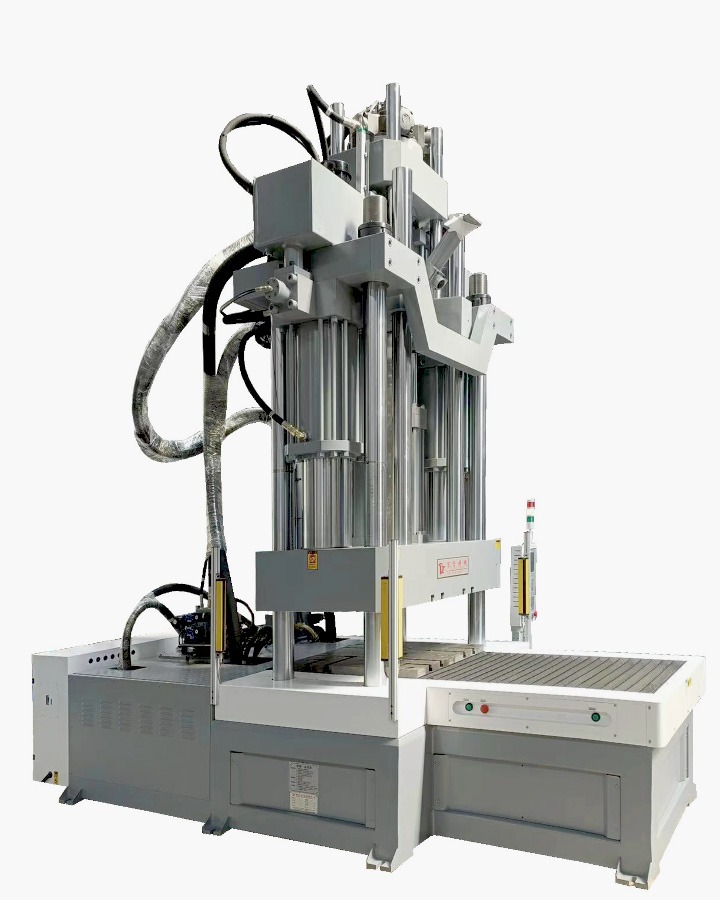
One of the most critical aspects of ECM manufacturing is quality assurance. Hommar employs a multi-layered quality control system that includes automated inspections, manual checks, and comprehensive testing. This rigorous approach not only minimizes the risk of defective products reaching customers but also enhances the overall reliability and safety of the vehicles that utilize Hommar’s ECMs.
The company’s quality assurance protocols are aligned with international standards such as ISO/TS 16949, ensuring that every ECM meets or exceeds industry benchmarks.
The automotive industry is undergoing a profound transformation, driven by trends such as electrification, autonomous driving, and connectivity. These changes are reshaping the requirements for ECMs, pushing manufacturers like Hommar to innovate continuously.
Electrification: The rise of electric vehicles (EVs) demands ECMs that can manage complex battery systems, power electronics, and regenerative braking.
Autonomous Driving: Advanced driver-assistance systems (ADAS) rely on ECMs to process vast amounts of sensor data in real time, ensuring safe and efficient vehicle operation.
Connectivity: As vehicles become more connected, ECMs must support secure communication with other onboard systems and external networks.
Hommar is actively investing in research and development to address these emerging challenges. By leveraging its expertise in vehicle electronic machines and a culture of automotive innovation, the company is well-positioned to deliver next-generation ECMs that meet the demands of tomorrow’s vehicles.
The automotive electronics market is experiencing robust growth, fueled by increasing vehicle electrification, stricter emission regulations, and consumer demand for advanced safety features. According to industry analysts, the global market for automotive electronic components is projected to reach over $400 billion by 2030.
This growth is driving investments in manufacturing automation, digitalization, and supply chain optimization. Companies like Hommar are adopting Industry 4.0 principles, incorporating IoT-enabled vehicle electronic machines that allow real-time monitoring, predictive maintenance, and data-driven process improvements.
Furthermore, sustainability is becoming a key focus area. Hommar is exploring eco-friendly materials and energy-efficient manufacturing processes to reduce its environmental footprint and support the automotive industry’s shift towards greener mobility.
To stay ahead in this competitive landscape, Hommar collaborates with leading technology providers, research institutions, and automotive OEMs. These partnerships foster knowledge exchange, accelerate innovation, and enable the co-development of cutting-edge solutions.
Hommar Industry Co., Ltd exemplifies the synergy between advanced vehicle electronic machines and world-class manufacturing expertise. By prioritizing quality assurance, embracing automotive innovation, and staying attuned to industry trends, Hommar continues to set new benchmarks in ECM production.
As the automotive sector moves towards electrification, autonomy, and connectivity, the role of ECMs will only grow in importance. Hommar’s unwavering commitment to excellence ensures that it will remain a trusted partner for automakers worldwide, delivering the high-performance, reliable ECMs that modern vehicles demand.
For industry stakeholders, the message is clear: investing in advanced manufacturing technologies and fostering a culture of continuous improvement are essential for success in the fast-evolving world of automotive electronics.
| Key Takeaways | Details |
|---|---|
| Company | Hommar Industry Co., Ltd (Hommar) |
| Core Focus | Manufacturing Engine Control Modules using vehicle electronic machines |
| Industry Trends | Electrification, autonomy, connectivity, sustainability |
| Keywords | Quality assurance, automotive innovation |
Stay tuned for more insights on how Hommar and other industry leaders are shaping the future of automotive electronics!
Hommar can serve customers not only with single process service but one-stop purchase from concept to packing.