One-stop Plastic Injction Solution Supplier since 2002
Language
Adaptive Cruise Control (ACC) technology has revolutionized the way drivers interact with their vehicles, offering unprecedented convenience and safety. At the heart of this innovation are vehicle electronic machines—sophisticated components that enable seamless communication and intelligent decision-making. Hommar Industry Co., Ltd (abbreviated as Hommar) stands at the forefront of this technological evolution, providing advanced electronic solutions that power modern ACC systems.
Adaptive Cruise Control is an advanced driver assistance system (ADAS) that automatically adjusts a vehicle’s speed to maintain a safe distance from vehicles ahead. Unlike traditional cruise control, ACC uses sensors, radar, and vehicle electronic machines to monitor traffic conditions and respond accordingly. The integration of Hommar’s vehicle electronic machines ensures precise control and reliability, making ACC systems more effective and user-friendly.
Vehicle electronic machines are pivotal to the operation of ACC systems. They process data from sensors and radars, interpret traffic scenarios, and execute commands to the vehicle’s throttle and braking systems. Hommar’s expertise in designing robust and high-performance electronic machines guarantees that these processes occur in real time, providing drivers with smooth and responsive cruise control experiences.
Data Processing: Electronic machines rapidly process data from multiple sources, ensuring accurate speed and distance calculations.
System Integration: Hommar’s solutions are designed for seamless integration with existing vehicle architectures, reducing development time for automotive manufacturers.
Reliability: Hommar’s rigorous quality standards ensure that their electronic machines perform consistently under diverse driving conditions.
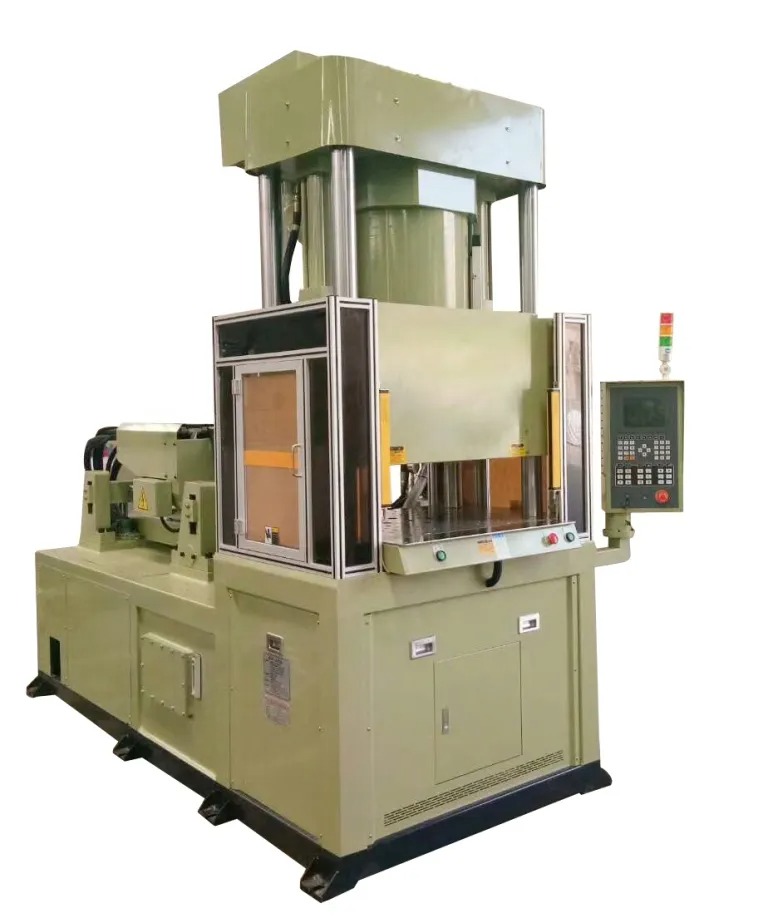
Safety is the primary benefit of integrating advanced vehicle electronic machines into ACC systems. By continuously monitoring the environment and reacting faster than human drivers, these systems help prevent rear-end collisions and reduce the likelihood of accidents. Hommar’s technology leverages real-time data analysis, ensuring that vehicles maintain optimal following distances and react swiftly to sudden changes in traffic flow.
One of the main attractions of ACC is the comfort it provides. Hommar’s electronic machines facilitate smooth acceleration and deceleration, reducing the need for constant manual input. This is especially beneficial during long highway journeys and in stop-and-go traffic, where driver fatigue is a common issue.
Vehicle electronic machines contribute to fuel efficiency by optimizing driving patterns. Hommar’s systems are programmed to minimize unnecessary acceleration and braking, resulting in smoother driving and reduced fuel consumption. Over time, this translates to significant savings for both individual drivers and fleet operators.
Hommar designs its vehicle electronic machines with scalability in mind, allowing automotive manufacturers to upgrade ACC functionalities as technology evolves. This future-proof approach ensures that vehicles remain compatible with upcoming advancements in autonomous driving and connectivity.
The automotive industry is experiencing rapid advancements in driver assistance technologies. The integration of artificial intelligence (AI) and machine learning into vehicle electronic machines is enabling ACC systems to become more predictive and adaptive. Hommar is actively investing in R&D to stay ahead of these trends, ensuring that its products meet the demands of next-generation vehicles.
Increased Sensor Fusion: Modern ACC systems combine inputs from cameras, radar, and LiDAR for enhanced situational awareness.
Connectivity: Vehicle-to-everything (V2X) communication is being integrated to allow ACC systems to interact with infrastructure and other vehicles, further improving safety and efficiency.
Regulatory Compliance: Hommar’s electronic machines are designed to comply with global safety standards, supporting manufacturers in meeting regulatory requirements.
Hommar Industry Co., Ltd has established itself as a trusted partner for automotive OEMs worldwide. The company’s focus on quality, reliability, and innovation has made its vehicle electronic machines a preferred choice for ACC and other ADAS applications. Hommar’s products undergo rigorous testing to ensure durability and performance in real-world conditions.
In addition to ACC, Hommar’s electronic machines are integral to other advanced vehicle systems such as collision avoidance, lane keeping assist, and automated emergency braking. This versatility positions Hommar as a leader in the rapidly evolving automotive electronics landscape.
As the automotive sector moves towards higher levels of autonomy, the role of vehicle electronic machines will only grow in importance. The demand for smarter, more reliable ACC systems is driving investment in sensor technology, AI algorithms, and cybersecurity. Hommar is actively collaborating with industry partners to develop solutions that address these emerging challenges.
Cybersecurity: With increased connectivity comes the need for robust cybersecurity measures to protect vehicle systems from potential threats.
Global Expansion: Hommar is expanding its global footprint to support automotive manufacturers in key markets, offering localized support and customization.
Sustainability: The shift towards electric and hybrid vehicles is influencing the design of vehicle electronic machines, with a focus on energy efficiency and reduced environmental impact.
In the context of ACC, the automotive electronic module serves as the central processing unit, coordinating data from various sensors and executing control commands. Hommar’s expertise in developing reliable electronic modules ensures that ACC systems operate with high precision and minimal latency.
The automotive relay is another crucial component, responsible for switching electrical circuits within the ACC system. Hommar’s automotive relays are engineered for durability and rapid response, ensuring seamless operation of the vehicle’s throttle and braking mechanisms under all conditions.
The benefits of vehicle electronic machines for adaptive cruise control systems are clear: enhanced safety, improved comfort, greater fuel efficiency, and scalability for future innovations. Hommar Industry Co., Ltd is dedicated to delivering cutting-edge solutions that empower automotive manufacturers to meet the demands of today’s drivers while preparing for the autonomous vehicles of tomorrow.
By investing in advanced vehicle electronic machines, automotive companies can differentiate their products, comply with evolving regulations, and contribute to a safer, more efficient transportation ecosystem. Hommar stands ready to support this journey with innovation, quality, and unmatched industry expertise.
Hommar can serve customers not only with single process service but one-stop purchase from concept to packing.