One-stop Plastic Injction Solution Supplier since 2002
Language
Injection molding is a cornerstone of modern manufacturing, enabling the production of complex plastic parts with high precision and efficiency. Hommar, a leader in the injection molding industry, has developed state-of-the-art machines that meet the diverse needs of various industries. This comprehensive guide explores the intricacies of injection molding machines, with a particular focus on Hommar’s offerings, and delves into specific numerical parameters that highlight their capabilities.
Injection molding machines are sophisticated pieces of equipment used to manufacture plastic parts by injecting molten plastic into a mold. The process involves several stages: melting the plastic, injecting it into a mold, cooling and solidifying the part, and finally ejecting the finished product.
Injection Unit
This is where the plastic pellets are fed, melted, and injected into the mold. Hommar’s injection units are designed for optimal efficiency, with screw diameters ranging from 30 mm to 100 mm, ensuring precise control over the injection process.
Clamping Unit
This part holds the mold halves together during the injection and cooling phases. Hommar’s machines offer clamping forces from 500 kN to 30,000 kN, catering to both small and large-scale production needs.
Control Systems
Advanced control systems manage the injection process parameters, ensuring consistency and quality. Hommar’s machines feature intuitive HMI (Human-Machine Interface) systems with touch-screen controls for easy operation and monitoring.
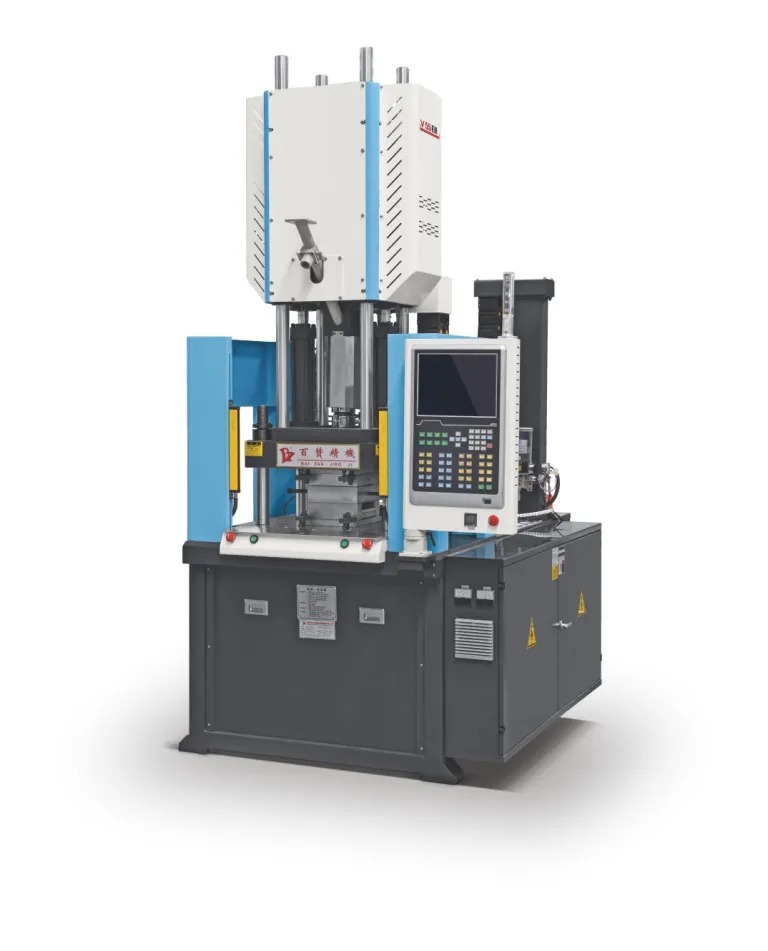
To appreciate the capabilities of Hommar’s injection molding machines, let’s examine some specific numerical parameters that highlight their performance and versatility.
Injection Speed: Hommar’s machines can achieve injection speeds up to 500 mm/s, allowing for rapid filling of molds, which is essential for high-volume production.
Injection Pressure: With maximum injection pressures reaching 250 MPa, Hommar’s machines can handle a wide range of materials, from standard plastics to high-performance engineering resins.
Clamping Force Range: The clamping force of Hommar’s machines varies from 500 kN for small parts to 30,000 kN for large automotive or industrial components. This wide range ensures that Hommar can provide solutions for diverse applications.
Shot Size: The shot size, or the amount of plastic injected into the mold, ranges from 50 grams to over 10,000 grams, making Hommar’s machines suitable for everything from tiny medical components to large industrial parts.
Plasticizing Rate: Hommar’s machines feature plasticizing rates up to 150 kg/h, ensuring that the plastic is melted and ready for injection in minimal time, which boosts production efficiency.
Hommar has consistently pushed the boundaries of injection molding technology, incorporating several innovative features into their machines.
Hommar’s machines are designed with energy efficiency in mind. They utilize servo-driven hydraulic systems that reduce energy consumption by up to 60% compared to traditional hydraulic systems. This not only lowers operational costs but also contributes to environmental sustainability.
To ensure high precision and consistency, Hommar employs advanced closed-loop control systems that monitor and adjust the injection process in real-time. This results in minimal variations in part dimensions and weight, which is crucial for industries like automotive and electronics where tolerances are tight.
Hommar’s HMI systems are designed to be user-friendly, with large touch-screen interfaces that provide operators with easy access to machine settings, diagnostics, and maintenance schedules. This simplifies machine operation and reduces the likelihood of operator error.
Recognizing the importance of automation in modern manufacturing, Hommar’s injection molding machines are compatible with various automation systems, including robotic part handling, in-mold labeling, and automated quality inspection. This integration enhances production efficiency and product quality.
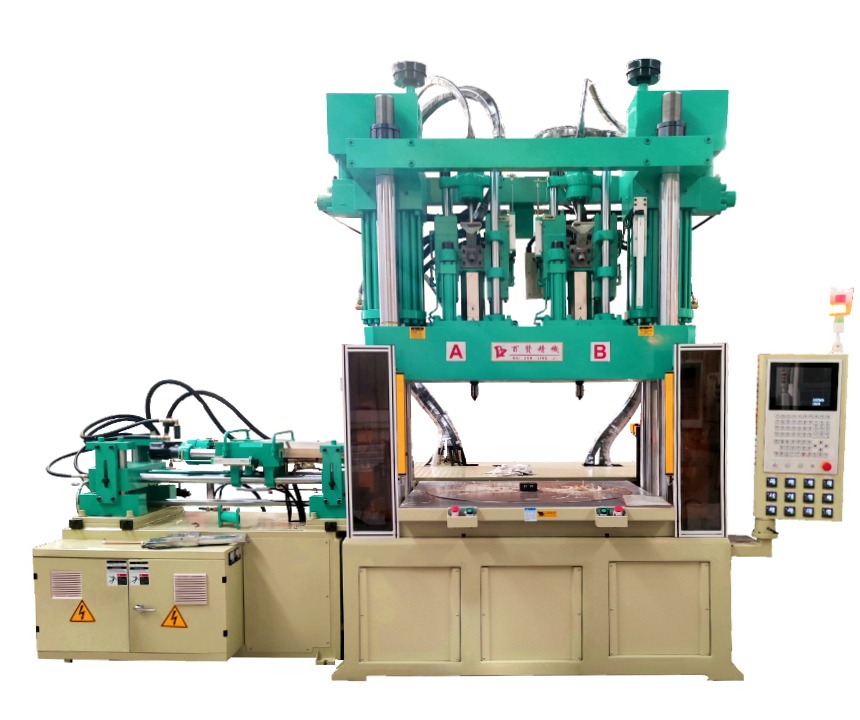
Hommar’s injection molding machines are used across a wide range of industries, including automotive, medical, electronics, consumer goods, and packaging.
In the automotive industry, Hommar’s machines produce parts such as dashboards, bumpers, and interior trim components. The high clamping forces and large shot sizes are ideal for manufacturing these sizable parts with intricate details.
For the medical sector, precision and consistency are paramount. Hommar’s machines are used to produce components such as syringes, surgical instruments, and diagnostic devices, where tight tolerances and high cleanliness standards are essential.
The electronics industry relies on Hommar’s machines to produce housings, connectors, and various small components. The machines’ precision and ability to handle high-performance resins make them suitable for this demanding sector.
Hommar’s machines also cater to the consumer goods and packaging industries, producing items such as bottles, caps, and containers. The fast cycle times and high efficiency of Hommar’s machines are perfect for these high-volume applications.
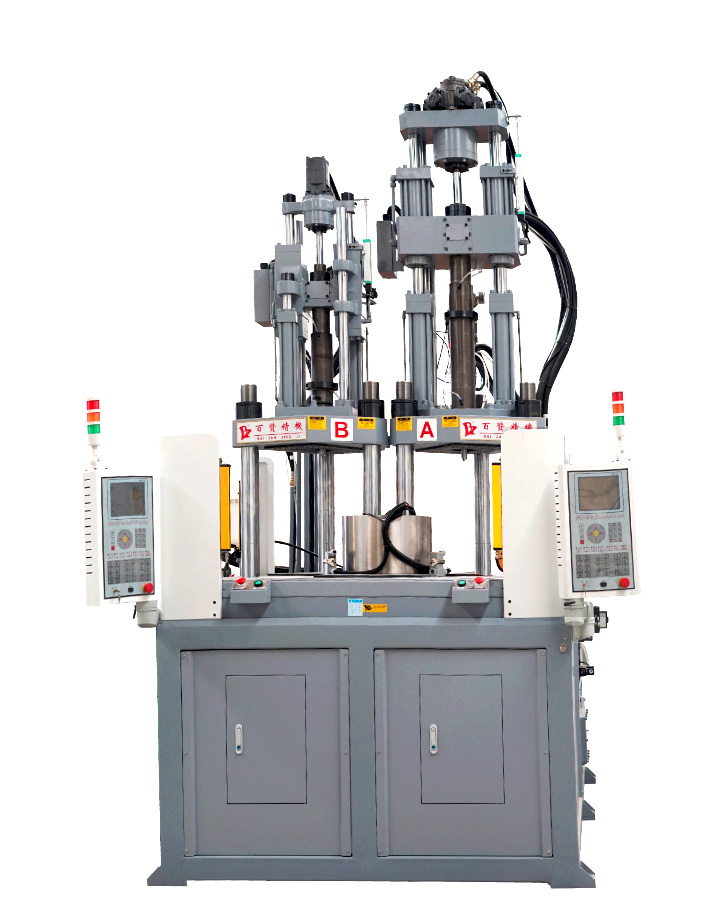
Hommar’s injection molding machines represent the pinnacle of modern manufacturing technology. With their advanced features, wide range of capabilities, and commitment to innovation, Hommar continues to set the standard in the injection molding industry. Whether you are producing tiny medical components or large automotive parts, Hommar’s machines provide the precision, efficiency, and reliability needed to stay competitive in today’s market.
Tags: Double Injector Rotary Vertical Plastic Injection Molding Machine For Rotor
Hommar can serve customers not only with single process service but one-stop purchase from concept to packing.