One-stop Plastic Injction Solution Supplier since 2002
Language
Injection molding is a widely used manufacturing process for producing parts by injecting molten material into a mold. It is commonly utilized for creating a multitude of products, from small components to entire body panels of cars. At the heart of this process lies the injection molding machine, a versatile piece of equipment that has revolutionized the manufacturing landscape. In this guide, we will delve into the workings of an injection molding machine, its key components, and the advantages it offers, with a special focus on Hommar, a leading manufacturer in this domain.
An injection molding machine is designed to create parts by injecting molten materials (such as plastic, metal, or glass) into a mold, where it cools and solidifies into the desired shape. The process involves several steps: melting the material, injecting it into a mold, cooling and solidifying the part, and finally, ejecting the finished product.
Injection Unit
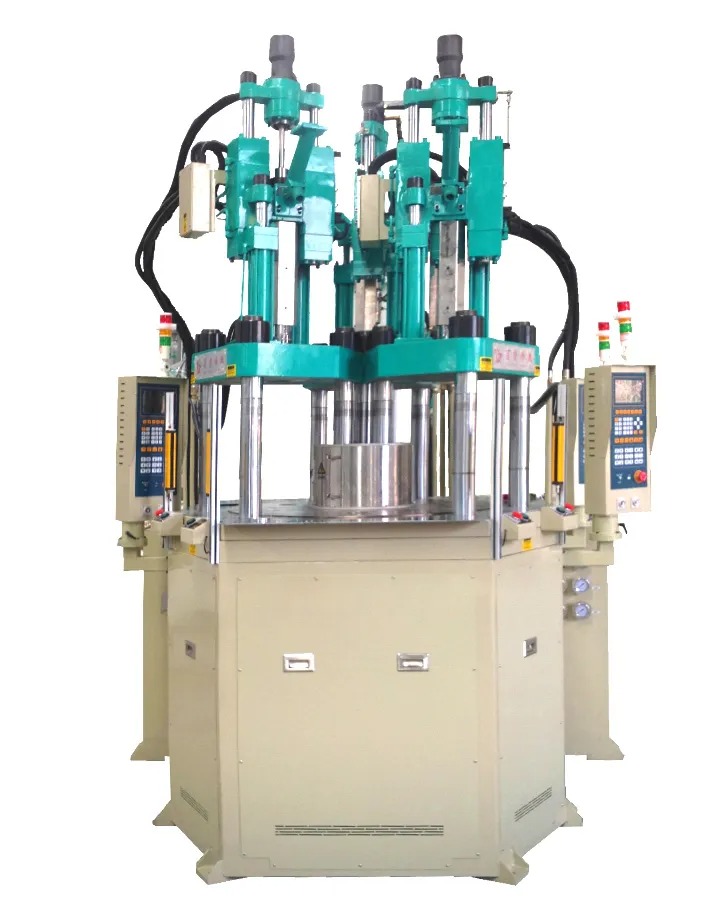
This component is responsible for melting the material and injecting it into the mold. It includes a hopper (for feeding the raw material), a barrel (where the material is heated), and a screw (which pushes the molten material forward).
Clamping Unit
The clamping unit holds the mold in place and applies sufficient force to keep it closed during the injection process. It consists of a movable platen, a stationary platen, and a clamping mechanism.
Mold
The mold is a custom-designed tool that shapes the final product. It is typically made of metal and consists of two halves: the cavity (which forms the outside of the part) and the core (which forms the inside of the part).
Control System
Modern injection molding machines are equipped with sophisticated control systems that regulate the temperature, pressure, and timing of the injection process. These systems ensure precision and repeatability in the manufacturing process.
There are several types of injection molding machines, each suited for different applications:
Hydraulic Injection Molding Machines
These are the most common type and use hydraulic systems to generate the necessary force for injection and clamping. They are known for their robustness and ability to handle high-pressure applications.
Electric Injection Molding Machines
These machines use electric motors instead of hydraulic systems. They are known for their energy efficiency, precision, and faster cycle times.
Hybrid Injection Molding Machines
Combining the best features of hydraulic and electric machines, hybrid machines offer high performance, energy efficiency, and versatility.
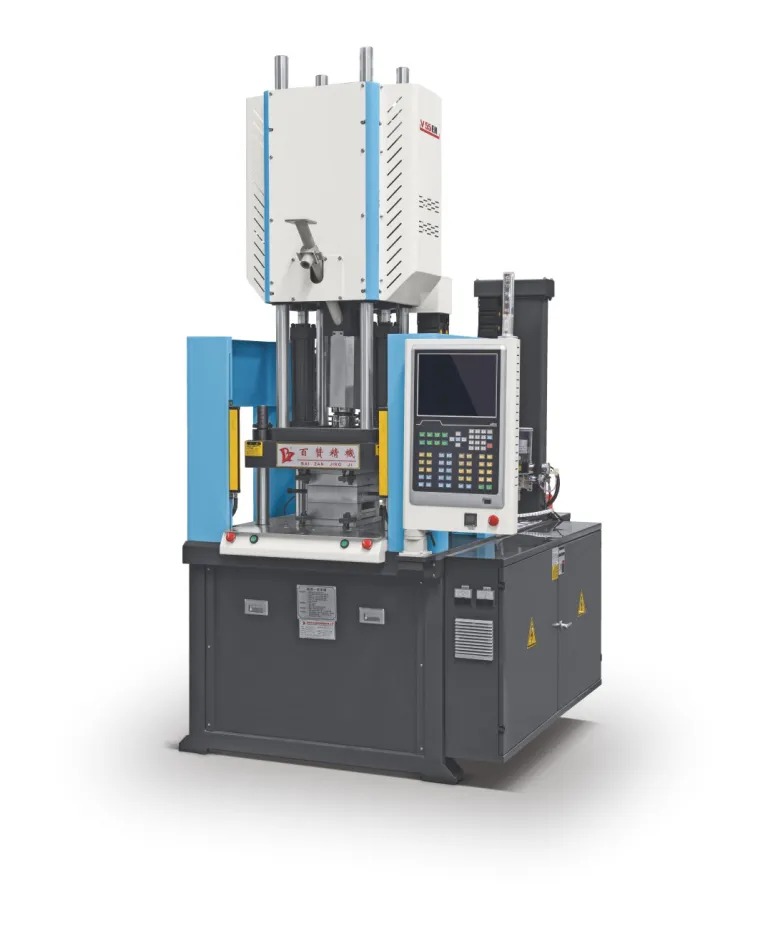
Injection molding machines offer several advantages, making them a preferred choice in various industries:
High Efficiency
Injection molding is a highly efficient process that allows for the rapid production of large volumes of parts with minimal waste.
Precision and Consistency
Modern injection molding machines, such as those manufactured by Hommar, are capable of producing parts with high precision and consistency, ensuring uniformity across batches.
Material Versatility
Injection molding machines can process a wide range of materials, including various types of plastics, metals, and ceramics.
Complex Shapes and Designs
The process is ideal for creating intricate and complex shapes that would be challenging to produce using other methods.
Cost Performance
Injection molding offers excellent cost performance, especially for high-volume production runs, as the cost per part decreases with increasing quantities.
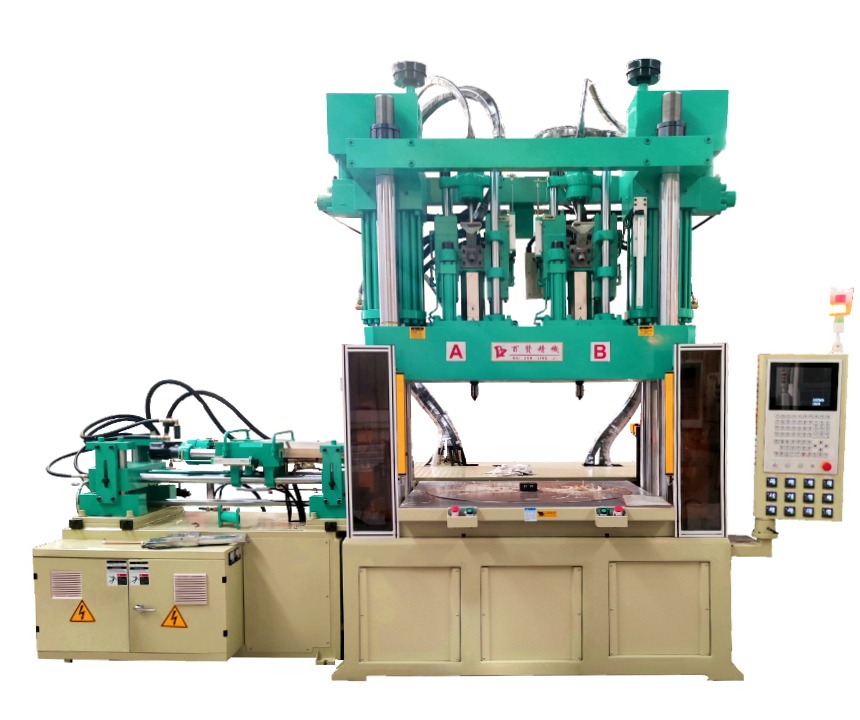
Hommar is a renowned manufacturer of injection molding machines, known for its commitment to quality, innovation, and customer satisfaction. With a strong focus on research and development (R&D), Hommar continuously strives to enhance its product offerings and stay ahead of industry trends.
As a leading supplier in the injection molding industry, Hommar provides a comprehensive range of machines tailored to meet diverse customer needs. Whether you are an OEM/ODM looking for specialized equipment or a manufacturer seeking high-performance solutions, Hommar has the expertise and technology to deliver.
Hommar's state-of-the-art factory in China is equipped with advanced manufacturing facilities, enabling the company to produce machines that meet the highest standards of quality and reliability. The company's extensive network of distributors and agents ensures that customers worldwide have access to its cutting-edge products and exceptional service.
Injection molding machines are pivotal to modern manufacturing, enabling the production of a wide array of products with precision and efficiency. Understanding the components, types, and advantages of these machines is crucial for anyone involved in manufacturing. Hommar, with its expertise and commitment to innovation, stands out as a leading manufacturer, offering high-quality injection molding machines that cater to the diverse needs of its global clientele.
Whether you are a small-scale manufacturer or a large industrial operation, partnering with a reliable supplier like Hommar can significantly enhance your production capabilities and drive your business forward.
Tags: Full Automatic Vertical Plastic Injection Molding Machine for Auto Wire Harness
Hommar can serve customers not only with single process service but one-stop purchase from concept to packing.