One-stop Plastic Injction Solution Supplier since 2002
Language
In the realm of modern manufacturing, injection molding machines play a pivotal role in producing a wide array of plastic products. These machines, known for their precision and efficiency, are essential in various industries, from automotive and electronics to medical devices and consumer goods. Hommar, a leading injection machine manufacturer in the field, provides cutting-edge injection molding solutions tailored to meet diverse industrial needs. This article delves into the basics and configuration of injection machines, highlighting Hommar's expertise and innovative approach.
Injection molding is a manufacturing process for producing parts by injecting molten material into a mold. The material, typically plastic, is melted, injected into a mold cavity, and then cooled to form the desired shape. Injection molding machines are the key equipment used in this process, and they come in various types and configurations, each suited for specific applications.
Injection Unit
This part of the machine is responsible for melting and injecting the plastic material into the mold. It consists of a hopper, a barrel, a screw, and a nozzle. The hopper feeds plastic pellets into the barrel, where they are heated and melted. The screw, driven by a motor, pushes the molten plastic through the nozzle and into the mold.
Clamping Unit
The clamping unit holds the mold in place and applies the necessary force to keep it closed during the injection process. It consists of a stationary platen, a moving platen, and a clamping mechanism. The force applied by the clamping unit ensures that the mold halves remain tightly closed, preventing any leakage of the molten material.
Mold
The mold is a hollow metal block into which the molten plastic is injected to form the desired part. Molds are custom-designed for each application and can be quite complex, with multiple cavities to produce several parts simultaneously.
Control System
Modern injection molding machines are equipped with sophisticated control systems that regulate the entire process. These systems monitor and adjust parameters such as temperature, pressure, injection speed, and cooling time to ensure consistent quality and efficiency.
Injection molding machines can be categorized based on their clamping mechanism, drive system, and size. The main types include:
Hydraulic Injection Molding Machines
These machines use hydraulic cylinders to generate the clamping force. They are known for their high power and are suitable for large parts and heavy-duty applications.
Electric Injection Molding Machines
These machines use electric motors for all movements, offering high precision, energy efficiency, and lower operating costs. They are ideal for producing small to medium-sized parts with high accuracy.
Hybrid Injection Molding Machines
Combining the best of both hydraulic and electric systems, hybrid machines offer a balance of power, precision, and efficiency. They are versatile and can handle a wide range of applications.
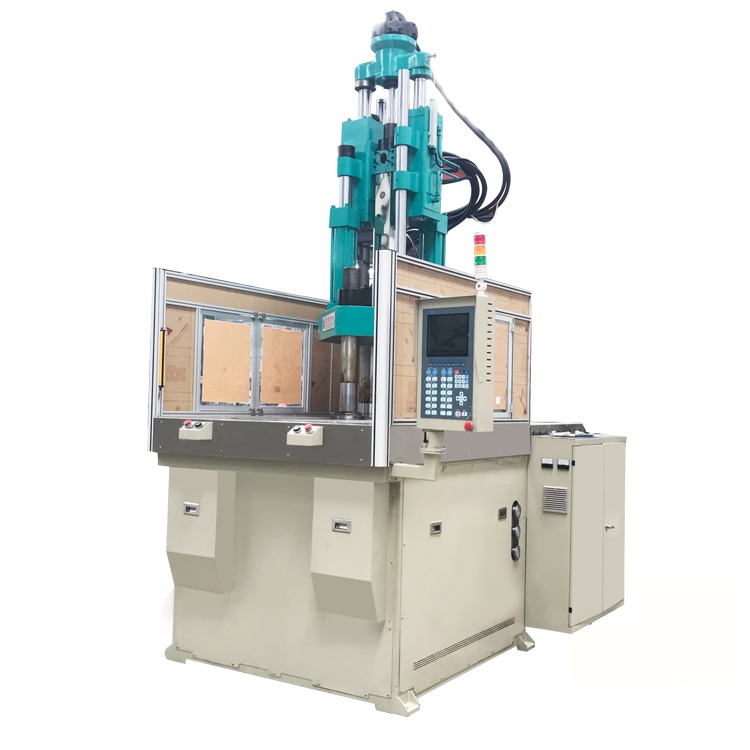
Hommar stands out as a premier supplier of injection molding machines, offering customized solutions to meet specific customer requirements. With a strong focus on R&D and design, Hommar continuously innovates to enhance the performance and capabilities of its machines.
Clamping Force
The clamping force of an injection molding machine determines its ability to keep the mold closed during injection. Hommar offers machines with varying clamping forces, from small models suitable for delicate parts to large machines capable of handling heavy-duty applications.
Injection Capacity
Depending on the size and complexity of the parts to be produced, the injection capacity of the machine can be customized. Hommar provides a range of options to ensure that the machine can handle the required volume of molten plastic.
Control Systems
Hommar's machines are equipped with advanced control systems that allow precise regulation of all process parameters. Customers can choose from basic models with manual controls to fully automated systems with touchscreens and remote monitoring capabilities.
Auxiliary Equipment
To enhance the functionality of the injection molding machine, Hommar offers a variety of auxiliary equipment, such as temperature controllers, robotic arms, and material handling systems. These additions help streamline the production process and improve overall efficiency.
As a leading manufacturer based in China, Hommar is dedicated to providing high-quality injection molding machines that deliver excellent cost performance. The company's commitment to R&D ensures that its products remain at the forefront of technological advancements, offering customers the latest in precision, efficiency, and reliability.
Hommar's extensive experience and expertise in the field allow it to cater to a wide range of industries, providing customized solutions that meet the unique needs of each customer. Whether it is OEM/ODM services or standard machine models, Hommar's focus on quality and innovation sets it apart in the competitive market.
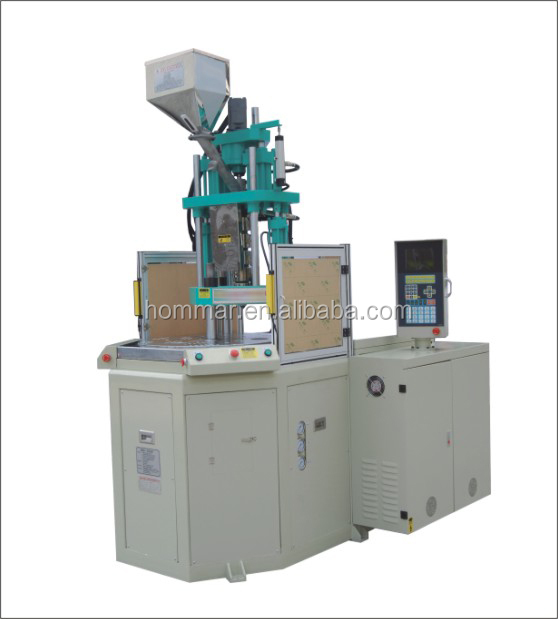
Injection molding machines are crucial in modern manufacturing, enabling the mass production of intricate and precise plastic parts. Hommar's expertise in this field, combined with its commitment to innovation and quality, makes it a trusted partner for businesses seeking reliable and efficient injection molding solutions. With a comprehensive range of machines and customization options, Hommar continues to lead the way in delivering advanced manufacturing technology to industries worldwide.
Hommar can serve customers not only with single process service but one-stop purchase from concept to packing.