One-stop Plastic Injction Solution Supplier since 2002
Language
Electronic Throttle Control (ETC) has become a cornerstone in modern automotive engineering, significantly improving both performance and efficiency. As the demand for smarter, safer, and more responsive vehicles increases, manufacturers like Hommar Industry Co., Ltd (Hommar) are at the forefront of integrating advanced vehicle electronic machines into ETC production. This article explores how Hommar leverages cutting-edge technology to enhance ETC manufacturing, while also touching on the importance of injection molding machine and plastic injection molding machine in the industry.
Electronic Throttle Control, often referred to as “drive-by-wire,” replaces the traditional mechanical linkage between the accelerator pedal and the throttle. Instead, ETC systems utilize sensors, actuators, and electronic control units (ECUs) to precisely manage engine throttle position. This not only ensures optimal engine performance but also contributes to improved fuel efficiency, reduced emissions, and enhanced driver safety.
Throttle Position Sensor: Monitors the position of the throttle valve.
Accelerator Pedal Sensor: Detects the driver’s input.
Electronic Control Unit (ECU): Processes sensor data and sends commands to the actuator.
Actuator: Controls the throttle valve based on ECU instructions.
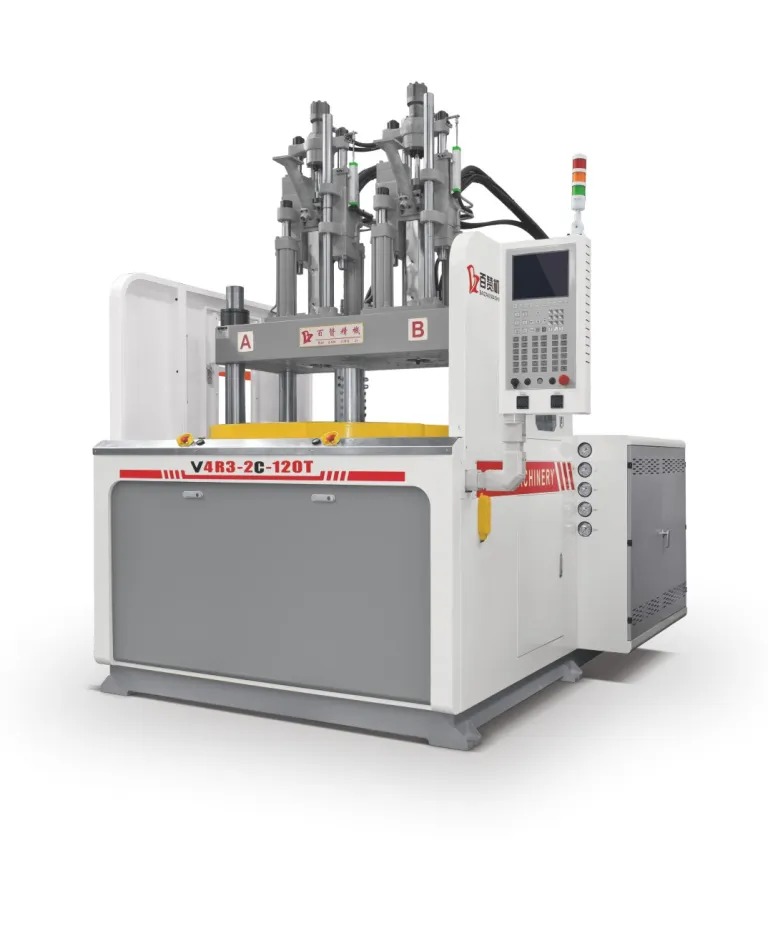
Hommar’s expertise in vehicle electronic machines plays a vital role in the reliable production of these intricate components, ensuring the highest standards of quality and performance.
Vehicle electronic machines are the backbone of modern ETC manufacturing. These machines automate and streamline the assembly and testing of ETC components, resulting in higher accuracy, consistency, and throughput. Hommar has invested heavily in state-of-the-art electronic machines that facilitate the following:
Precision Assembly: Automated systems ensure that sensors, actuators, and circuit boards are assembled with micron-level accuracy.
Quality Assurance: Advanced testing stations verify the performance and reliability of each ETC unit before it leaves the factory.
Data Integration: Real-time data collection and analysis help identify potential issues early and optimize production processes.
Scalability: Modular machine designs allow Hommar to quickly adapt to changing market demands and new ETC technologies.
Hommar’s commitment to innovation is evident in its continuous adoption of the latest vehicle electronic machines. By integrating robotics, artificial intelligence, and IoT technologies, Hommar not only boosts production efficiency but also ensures that every ETC product meets stringent automotive standards.
A significant aspect of ETC production involves the fabrication of precision plastic components, such as sensor housings and actuator parts. Here, the role of injection molding machine technology becomes crucial. Hommar utilizes advanced injection molding machines that offer:
High Precision: Ensures consistent part quality and tight tolerances.
Material Versatility: Supports a wide range of engineering plastics used in automotive applications.
Energy Efficiency: Modern machines consume less power, reducing production costs and environmental impact.
By incorporating the latest injection molding machine technologies, Hommar is able to produce complex ETC components at scale, without compromising on quality or reliability.
Another critical keyword in the industry is the plastic injection molding machine. These machines are specifically designed to handle high-performance polymers that are resistant to heat, chemicals, and mechanical stress. For ETC systems, this means longer-lasting components that can withstand the demanding conditions of automotive environments.
Hommar’s investment in advanced plastic injection molding machines ensures that every ETC component not only fits perfectly but also endures the rigors of daily vehicle operation.
The automotive industry is undergoing a digital transformation, with a growing emphasis on electrification, connectivity, and autonomous driving. ETC systems are evolving to integrate seamlessly with other vehicle control modules, enabling features such as adaptive cruise control, lane-keeping assist, and automated emergency braking.
Hommar is at the forefront of adopting Industry 4.0 principles in ETC production. By leveraging digital twins, predictive maintenance, and cloud-based analytics, Hommar’s manufacturing facilities achieve:
Reduced Downtime: Predictive algorithms identify potential machine failures before they occur.
Optimized Supply Chains: Real-time monitoring ensures that materials and components are available when needed.
Continuous Improvement: Data-driven insights support ongoing process optimization and innovation.
This forward-thinking approach not only enhances ETC production but also sets new benchmarks for quality and efficiency in the automotive sector.
While the benefits of vehicle electronic machines and advanced molding technologies are clear, ETC production is not without challenges. These include:
Complexity of Integration: ETC systems must communicate flawlessly with other vehicle systems.
Stringent Regulatory Standards: Compliance with global safety and emissions regulations is essential.
Rapid Technological Change: Manufacturers must stay ahead of evolving technology and market demands.
Hommar addresses these challenges through a combination of skilled engineering, robust quality control, and strategic partnerships with leading technology providers.
Looking ahead, Hommar is committed to further enhancing its ETC production capabilities. Plans are underway to incorporate even more sophisticated vehicle electronic machines, as well as next-generation injection molding machine and plastic injection molding machine technologies. This will enable Hommar to support emerging automotive trends, such as electrified powertrains and connected vehicle ecosystems.
By staying at the cutting edge of manufacturing technology, Hommar ensures that its ETC products remain reliable, efficient, and ready to meet the challenges of tomorrow’s automotive industry.
The integration of advanced vehicle electronic machines, injection molding machine, and plastic injection molding machine technologies has revolutionized Electronic Throttle Control production. Hommar Industry Co., Ltd stands out as a leader in this field, combining innovation, quality, and industry expertise to deliver ETC solutions that power the next generation of vehicles. As the automotive landscape continues to evolve, Hommar’s commitment to excellence ensures that it will remain a trusted partner for automakers worldwide.
Tags: "C" Injection Molding Machine,Fishing lure Injection Machinery
Hommar can serve customers not only with single process service but one-stop purchase from concept to packing.