One-stop Plastic Injction Solution Supplier since 2002
Language
The automotive industry is synonymous with precision, innovation, and reliability. Among the many components that contribute to a vehicle’s comfort and functionality, HVAC vents play a crucial role. These vents, often overlooked by end-users, are vital for climate control and passenger comfort. Hommar Industry Co., Ltd (hereafter referred to as Hommar), a leading force in the injection molding sector, leverages cutting-edge automotive injection molding machines to ensure the highest standards of quality in HVAC vent production. In this article, we’ll explore how Hommar’s advanced technologies and expertise drive excellence in this niche, while also touching on the importance of plastic injection molding and precision molds in the broader industry context.
Automotive HVAC vents must meet strict dimensional tolerances to guarantee seamless integration with dashboard assemblies and optimal airflow. Hommar’s automotive injection molding machines are engineered to deliver unrivaled precision shot after shot. This consistency is integral for maintaining uniform vent geometry, which in turn ensures smooth operation and aesthetic uniformity across vehicle models.
Dimensional Accuracy: Hommar’s machines utilize state-of-the-art servo-driven systems and closed-loop feedback mechanisms, minimizing deviations and ensuring every vent meets exact specifications.
Material Uniformity: The advanced temperature and pressure controls in Hommar’s equipment guarantee that the plastic resin is processed under optimal conditions, resulting in vents that are free from warping, sink marks, or surface defects.
This relentless focus on precision is where precision molds come into play. Hommar collaborates with top-tier mold designers to create tools that can withstand high-volume production while maintaining tight tolerances—a necessity for automotive-grade components.
Defects in HVAC vents can lead to rattling, misalignment, or even airflow obstruction, all of which can detract from the driving experience. Hommar mitigates these risks through the integration of advanced injection molding technologies:
Automated Quality Inspection: Vision systems and in-line sensors detect anomalies in real-time, allowing for immediate corrective action.
Gas-Assisted Injection: This technique is used to create lightweight yet robust vent structures, reducing material usage without compromising strength or durability.
Multi-Shot Molding: Enables the integration of different materials or colors in a single cycle, expanding design possibilities for automotive interiors.
By combining these innovations, Hommar guarantees that every batch of HVAC vents is free from flash, short shots, and weld lines—common issues in conventional molding processes.
The choice of materials is critical in automotive applications, where components must withstand temperature fluctuations, UV exposure, and mechanical stress. Hommar works closely with material suppliers to select high-performance thermoplastics such as ABS, PC/ABS blends, and PP. These materials offer the ideal balance of strength, flexibility, and resistance to environmental factors.
Moreover, Hommar is committed to sustainable manufacturing practices. By optimizing cycle times and reducing scrap rates through precise process control, the company minimizes material waste. The use of recyclable engineering plastics further aligns with the automotive industry’s shift toward greener production.
The process of plastic injection molding is at the heart of cost-effective mass production for automotive interior components. Hommar’s expertise in this field extends beyond HVAC vents to include dashboards, center consoles, and trim parts. The scalability and repeatability of injection molding make it the preferred method for producing millions of identical parts with minimal variation.
In the context of HVAC vents, injection molding enables the creation of complex geometries—such as louvers, vanes, and integrated mounting features—that would be difficult or impossible to achieve with traditional manufacturing methods. This design flexibility allows automakers to differentiate their interiors in a competitive market.
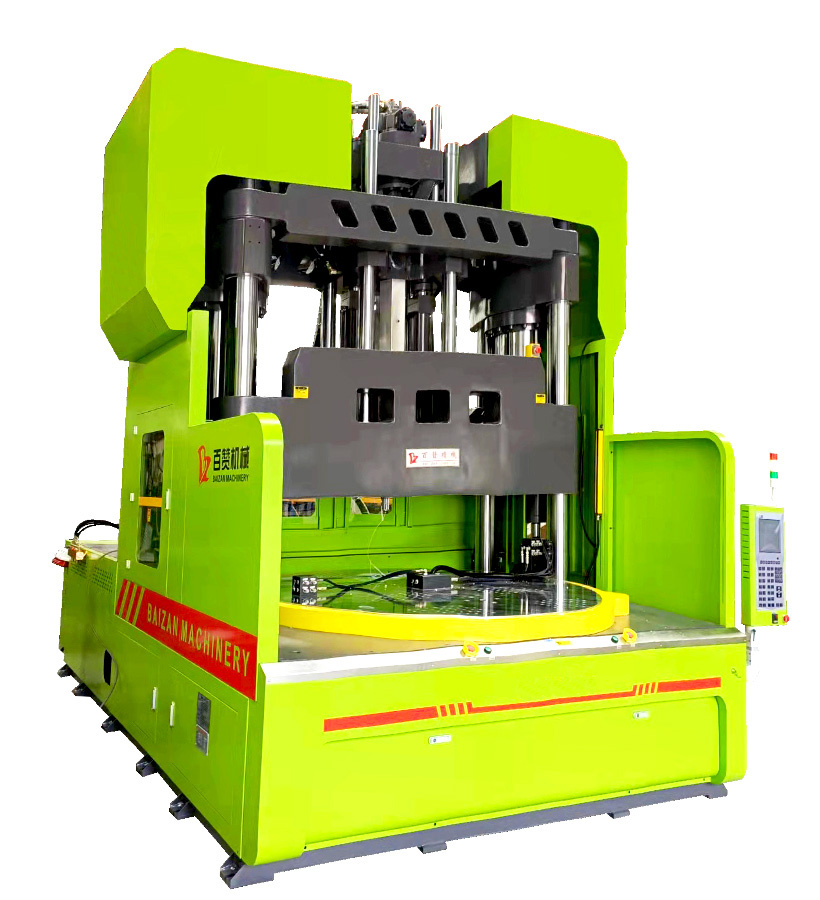
Automotive standards evolve rapidly, driven by changing consumer expectations and regulatory requirements. Hommar stays ahead of the curve by investing in research and development. The company regularly upgrades its fleet of injection molding machines, incorporating the latest advancements in automation, data analytics, and energy efficiency.
Employee Training: Hommar’s technicians undergo continuous training to master the latest molding techniques and quality control methodologies.
Lean Manufacturing: The adoption of lean principles enhances productivity and reduces lead times, benefiting automotive OEMs and Tier 1 suppliers alike.
The automotive injection molding landscape is witnessing a shift toward smart manufacturing. Hommar is at the forefront of this movement, implementing Industry 4.0 solutions such as real-time process monitoring and predictive maintenance. These digital tools not only reduce downtime but also provide valuable insights for process optimization.
Furthermore, the integration of digital twins and simulation software allows Hommar to validate mold designs and process parameters before production begins, reducing the risk of costly errors and accelerating time-to-market for new HVAC vent designs.
Hommar’s commitment to quality is reflected in its adherence to international standards such as IATF 16949 and ISO 9001. The company’s quality assurance protocols encompass every stage of production, from raw material inspection to final product testing.
Statistical Process Control (SPC): Data-driven monitoring ensures that process variables remain within specified limits, minimizing variability.
End-of-Line Testing: Functional tests verify that each HVAC vent meets airflow, durability, and fitment requirements before shipment.
This rigorous approach not only satisfies automaker requirements but also builds trust with end-users, who expect flawless performance from every component in their vehicles.
In summary, Hommar Industry Co., Ltd’s expertise in automotive injection molding machines, combined with its focus on precision molds and plastic injection molding, ensures the production of high-quality HVAC vents that meet the evolving needs of the automotive industry. By embracing advanced technologies, sustainable practices, and continuous improvement, Hommar is helping to shape the future of automotive interiors—one precision-molded component at a time.
As the demand for comfort, efficiency, and innovation grows, Hommar remains a trusted partner for automakers seeking reliable solutions for their HVAC systems and beyond.
Tags: "C" Injection Molding Machine,Hang Tag String Machine,Tooth Brushes Moulding machine
Hommar can serve customers not only with single process service but one-stop purchase from concept to packing.